

Read more >
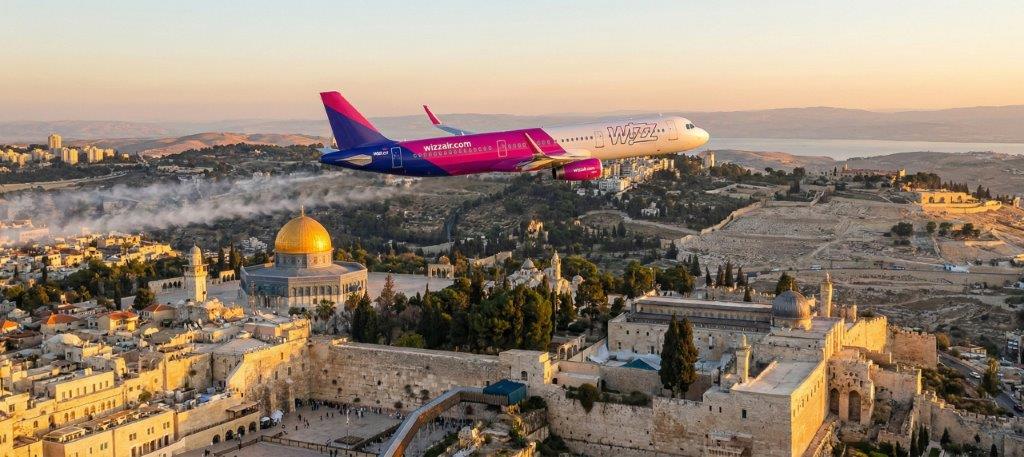
Great news is on the horizon for travelers planning their next Mediterranean getaway. Wizz Air, Europe’s second-largest low-cost carrier, has announced ambitious plans to establish a permanent base at Ben Gurion Airport as early as April. During a recent meeting in Jerusalem between Wizz Air CEO József Váradi and Israeli Transport Minister Miri Regev, the airline outlined a massive expansion strategy that includes a $1 billion investment in the Israeli market over the next three years. For tourists, this signals a potential drop in flight prices and a significant increase in accessibility to the Holy Land.
The scope of this expansion is set to transform the travel landscape significantly. The airline intends to increase its operations from 20 existing routes to a total of 70, effectively opening the skies to new markets. This move will see ten new aircraft stationed permanently in Israel, creating thousands of jobs and, more importantly for visitors, fostering an environment of competition that is expected to drive down ticket costs. Transport Minister Regev emphasized that this initiative is part of a broader effort to lower the cost of living and travel through creativity and “Open Skies” competition, ensuring that a vacation in Israel becomes more budget-friendly for visitors from across the globe.
One of the most practical benefits for tourists will be the improvement in flight schedules. Currently, many low-cost flights to and from Tel Aviv operate at awkward hours due to aircraft being based in Europe, often resulting in late-night arrivals or very early departures. By establishing a local base, Wizz Air will gain access to preferred takeoff and landing slots, similar to those enjoyed by Israeli carriers. This operational shift will allow for morning departures from Tel Aviv and same-night returns from Europe, making travel itineraries far more convenient and potentially reducing the need for extra hotel nights simply to accommodate flight times.
Beyond standard routes to Europe, the expansion promises to connect Israel to a wider variety of destinations, including potential new lines to the Balkans, the Caucasus, the United Arab Emirates, and Morocco. Furthermore, part of the discussions with the Ministry of Transport involves the potential for Wizz Air to operate domestic flights between Tel Aviv and Eilat. If realized, this would be a game-changer for tourists, allowing for seamless and affordable connections between the cultural hubs of the center and the resort beaches of the Red Sea without the need for long drives or expensive transfers.
While the move has sparked debates among local Israeli airlines regarding fair competition and labor protection, the focus for the international consumer remains on the benefits of increased connectivity. Addressing concerns regarding stability in the region, CEO Váradi assured that while the airline must strictly follow the European Union Aviation Safety Agency (EASA) regulations, having a base on the ground will provide the company with better security information to make informed operational decisions. As professional teams continue to finalize the details for a late January follow-up, prospective tourists can look forward to a spring season that offers more ways than ever to explore Israel.